
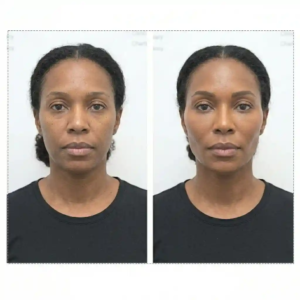
“Will I look swollen? Can I go back to work? Will people notice?” If you’ve been researching dermal fillers but keep hesitating because you’re worried about downtime, you’re not alone. Recovery concerns are one of the biggest reasons people delay booking their first filler appointment—and honestly, the fear is almost always worse than the reality. The truth is, most patients have minimal to no true downtime after dermal fillers and resume normal activity the same day. But “minimal downtime” doesn’t mean zero visible effects, and understanding the difference is what separates a confident, prepared patient from a panicked one refreshing Google at midnight. In this guide, we’re breaking down exactly what dermal filler downtime looks like, how long recovery actually takes, and the expert tips that can get you back to your life faster. Whether you’re planning fillers before a big event or just want honest answers about dermal fillers recovery time, this article has you covered.
What Downtime Really Means After Fillers
Let’s clear something up right away: when we talk about “downtime” after dermal fillers, we’re not talking about the kind of recovery you’d expect after surgery. There’s no bed rest, no bandages, no taking a week off work. For the vast majority of patients, dermal filler downtime is really about social downtime—meaning the brief window where you might have some visible swelling, redness, or minor bruising that makes you feel a little self-conscious. Medically speaking, you’re fine. You can drive yourself home, eat dinner, answer emails, and carry on with your day.
That said, “minimal downtime” doesn’t mean “nothing happens.” It’s important to set realistic expectations. Mild swelling and redness are common immediately after treatment—this is a completely normal response to having a needle or cannula in your skin. Some people also experience tenderness at the injection sites, and depending on the area treated (lips tend to swell more than cheeks, for example), you might look slightly “overdone” for the first day or two. This is not your final result. It’s your body’s natural inflammatory response, and it will calm down.
The key distinction here is between looking like you need medical attention and simply not looking your absolute best for a couple of days. Dermal filler recovery time is overwhelmingly in the “I’d rather not post a selfie today” category, not the “I can’t leave the house” category. And that’s a huge difference. When patients understand this going in, the entire experience becomes far less stressful. You’re not recovering from a procedure—you’re just giving your face a day or two to settle.
How Long Recovery Actually Takes: A Real Timeline
Here’s the honest, no-fluff timeline for dermal filler recovery. In the first few hours after your appointment, you’ll likely notice some redness, mild swelling, and possibly small bumps at the injection sites. This is completely expected. Most of this initial redness fades within a few hours. You might also feel some tenderness when you touch the treated area, similar to a mild bruise.
Swelling typically peaks 24–48 hours after treatment. This is the window where you’re most likely to look in the mirror and think, “Oh no, is this too much?” It’s not. It’s temporary inflammation, and it does not reflect your final outcome. For lip filler patients especially, this 24-to-48-hour mark can feel dramatic—your lips may look noticeably fuller than intended. Rest assured, this is the swelling talking, not the filler. By day three to five, most swelling has significantly subsided, and you’re starting to see a much more accurate preview of your results.
Bruising is the wildcard. Some patients don’t bruise at all. Others experience bruising that can last anywhere from a few days up to one to two weeks, depending on the treatment area, their skin sensitivity, and whether they were taking blood-thinning medications or supplements beforehand. Final results typically settle in about one to two weeks, once all swelling has resolved and the filler has fully integrated with your tissue. That two-week mark? That’s when you take your “after” photo.
What You Might Experience: Swelling, Bruising, and Tenderness
Swelling is the most common side effect, and it’s also the one that causes the most anxiety. How long does swelling last after fillers? For most patients, noticeable swelling lasts two to four days, with the peak at 24–48 hours. The amount of swelling depends on several factors: the area treated (lips and under-eyes tend to swell more), the volume of filler used, your individual body’s inflammatory response, and even how hydrated you are. Applying a cold compress intermittently during the first few hours can make a meaningful difference.
Bruising is the other big concern, and it’s the main reason people ask, “Can I go back to work after fillers?” The answer is usually yes—but if you bruise, you may want concealer on standby. Bruising is normal after fillers and occurs because the needle or cannula can nick small blood vessels under the skin. It’s not a sign that something went wrong. An experienced injector using proper technique will minimize bruising significantly, but even the best practitioners can’t guarantee zero bruising every single time. Your body has its own vascular map, and sometimes a tiny vessel gets in the way.
Tenderness and firmness at the injection sites are also normal in the first few days. You might feel small lumps or areas of firmness—this is often just the filler settling into place, and gentle massage (only if your injector advises it) can help smooth things out. Some patients also report mild headaches after forehead or temple filler, or a feeling of pressure after cheek augmentation. These sensations are temporary and typically resolve within the first 48 to 72 hours. The bottom line: everything you’re feeling in those first few days is your body adjusting, not a sign of a problem.
When You Can Return to Work and Social Life
Here’s the question everyone really wants answered: “Will people notice?” For most patients, the answer is no—not after the first day or two. The majority of people who get dermal fillers return to work the same day or the very next morning. If your job involves video calls or face-to-face meetings, you might prefer to schedule your appointment on a Thursday or Friday so you have the weekend for any swelling to subside. But plenty of patients go straight from their appointment to the office without anyone being the wiser, especially for subtle treatments like cheek or jawline filler.
Can you do dermal fillers before an event? Absolutely—but timing matters. The general rule of thumb is to schedule your treatment at least two weeks before any big occasion. This gives your face plenty of time for all swelling and potential bruising to fully resolve, and it ensures you’re seeing your true, settled results. Booking fillers three days before a wedding or important photo shoot is risky, not because anything dangerous will happen, but because you might still be in that “swelling peak” window and not look your best.
Social life can resume almost immediately for most people. You’ll want to avoid intense exercise for 24–48 hours (increased blood flow can worsen swelling), skip alcohol for the first night, and stay out of saunas or steam rooms for a few days. But grabbing coffee with a friend, picking up your kids from school, running errands? All fair game. Most people look completely normal within a few days, and any residual effects are easily covered with light makeup after the first 24 hours. Dermal filler downtime is genuinely one of the mildest recoveries in all of aesthetic medicine.
How to Minimize Your Filler Recovery Time
The single most impactful thing you can do to minimize dermal filler downtime starts before your appointment. For at least one week prior to treatment, avoid blood-thinning substances like aspirin, ibuprofen, fish oil, vitamin E, and alcohol. These all increase your likelihood of bruising. If you take prescription blood thinners, talk to your doctor—never stop medication without medical guidance. Also, consider taking arnica supplements a few days before and after your appointment. While the clinical evidence is mixed, many injectors and patients report that arnica helps reduce bruising and swelling.
On the day of your treatment, show up hydrated, well-rested, and with a clean face. After the procedure, apply cold compresses gently (not direct ice) for 10–15 minutes on, 10–15 minutes off during the first few hours. Sleep with your head slightly elevated the first night to help reduce swelling. Avoid touching, pressing, or massaging the treated area unless your injector specifically tells you to. And resist the urge to “check” your results obsessively in the mirror during the first 48 hours—what you see during peak swelling is not your final outcome.
Perhaps most importantly, your results—and your downtime—depend heavily on who performs your treatment. Injector skill directly impacts recovery. A highly trained, experienced injector who understands facial anatomy, uses the right technique, selects the appropriate filler, and chooses between needle and cannula based on the treatment area will consistently produce less bruising, less swelling, and more natural-looking results. This isn’t the place to bargain shop. Choosing a board-certified provider or a skilled nurse injector at a reputable medspa is the single best investment you can make in a smooth recovery and beautiful outcome.
When Dermal Filler Downtime Lasts Longer Than Expected
In the interest of full honesty, some patients do experience a longer recovery window—and that’s okay. If you’re prone to bruising, have sensitive skin, or had a larger volume of filler placed across multiple areas, your swelling and bruising may take closer to 10–14 days to fully resolve. This doesn’t mean anything went wrong. It means your body is taking its time to heal, and that’s a perfectly normal variation.
There are also certain treatment areas that tend to have more noticeable downtime. Under-eye (tear trough) filler, for example, is placed in very thin, delicate skin with lots of blood vessels—bruising and swelling here can be more visible and longer-lasting. Lip filler is another area where swelling can be significant in the first few days, sometimes making patients feel like they look “overdone” before things settle. Any swelling is temporary and expected—not a bad result. Patience during this window is essential.
That said, there are red flags to watch for. If you experience severe pain, skin that turns white or dusky blue, vision changes, or swelling that worsens significantly after the first 48 hours rather than improving, contact your provider immediately. These are rare but serious signs that require prompt attention. A trustworthy injector will always provide clear aftercare instructions and be available for follow-up questions. If your provider isn’t accessible after your treatment, that’s a sign to find a different provider next time.
Frequently Asked Questions
Can I go to work right after dermal fillers?
Yes, most patients return to work the same day or the next morning. You may have mild redness or swelling, but it’s typically subtle enough that others won’t notice—especially with light makeup applied after the first 24 hours.
How long does swelling last after fillers?
Swelling typically peaks at 24–48 hours and subsides significantly within three to five days. Most patients see their true results within one to two weeks once all inflammation has fully resolved.
Will my face look swollen the next day?
Some swelling the next day is normal, especially if you had lip or cheek filler. It’s usually mild and manageable. Sleeping with your head elevated and applying cold compresses can help minimize morning-after puffiness.
Can I speed up filler recovery?
Yes. Avoid blood thinners and alcohol before and after treatment, use cold compresses, stay hydrated, sleep elevated, and take arnica if recommended by your provider. Most importantly, choose an experienced injector—technique matters more than any aftercare hack.
Is bruising normal after fillers?
Absolutely. Bruising is one of the most common side effects and can last anywhere from a few days to two weeks. It’s not a sign of a bad injection—it simply means a small blood vessel was nicked during treatment. It will heal completely. You can see.
When will I see my final filler results?
Final results settle in about one to two weeks after treatment. This is when all swelling has resolved and the filler has integrated with your tissue. Avoid judging your results during the first 48 hours when swelling is at its peak.
Will I look fake or overdone after fillers?
Not if you’re working with a skilled, experienced injector who takes a conservative, anatomy-based approach. Initial swelling can make results look more dramatic than intended, but this resolves quickly. Most people look completely natural once everything settles.
Dermal filler downtime is real, but it’s almost never as bad as people fear. For most patients, we’re talking about a day or two of mild swelling, maybe some bruising, and then you’re back to your life looking refreshed and feeling more confident. The key to a smooth recovery isn’t just about ice packs and arnica—it’s about choosing the right injector in the first place. When your treatment is performed by an experienced, skilled provider who prioritizes technique and safety, your downtime shrinks and your results speak for themselves. If you’ve been on the fence about dermal fillers because you’re worried about recovery, consider this your sign to stop overthinking and start asking the right questions. Book a consultation with a qualified provider, share your concerns openly, and let them walk you through exactly what to expect for your face and your goals. The best results start with the best conversations—and your future self will thank you for taking that first step.
Dermal Filler Downtime – Do you need consultation! ->